10 Oct 2026
NFL Submits Supreme Court Brief Amid Prediction Market Legal Battles in October 2026

Around October 9, 2026 the NFL delivered a 32-page amicus brief to the U.S. Supreme Court that stressed market integrity concerns tied to prediction markets offering sports event contracts, and the filing arrived at a moment when several other regulatory and legal actions unfolded in quick succession.
Details of the NFL Filing
The brief outlined how sports event contracts on prediction platforms could affect the league's control over its data and brand while raising questions about oversight, and observers noted that the document positioned the NFL as an interested party seeking to maintain clear boundaries between licensed sportsbooks and newer prediction market operators.
Seminole Tribe Lawsuit Against DraftKings
During the same period the Seminole Tribe of Florida initiated a state court action against DraftKings that alleged illegal betting operations on tribal lands, and the suit claimed that certain platform features violated existing compacts while operating outside authorized channels, which added another layer of tension between established tribal gaming interests and major betting companies.
CFTC Proposes New Rules on Jurisdiction
The Commodity Futures Trading Commission released proposed rules intended to codify its authority over prediction markets and assert exclusive federal jurisdiction, and these measures came as regulators sought to clarify whether event contracts fall under federal commodity rules or remain subject to varying state oversight.
Record Trading Volumes Reported
Reports indicated that Kalshi recorded trading volumes exceeding $2.4 billion across recent college football and NFL weekends, and such figures revealed growing participation in prediction markets even as legal questions persisted, with models projecting roughly $8.4 billion in predictions operator handle for the NFL season as part of a broader $40 billion combined sportsbook and prediction market estimate.
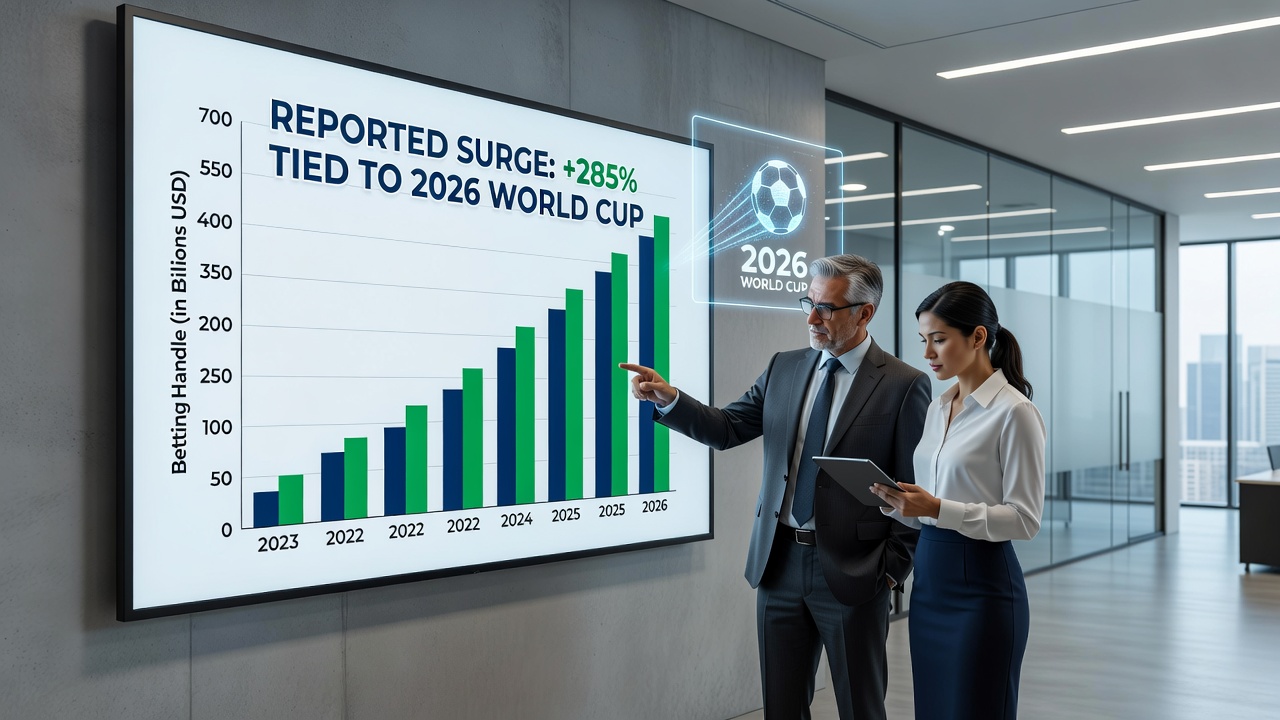
Those volumes arrived alongside the NFL brief and the CFTC proposal, and analysts tracked how daily activity on platforms like Kalshi reflected both increased user interest and ongoing debates about regulatory classification.
Interactions Among Key Developments
The Seminole Tribe lawsuit, the CFTC rulemaking effort, and the NFL amicus brief each addressed different aspects of market structure yet converged on questions of jurisdiction and operator authority, and court filings showed that tribal interests sought to protect compact rights while federal regulators moved to standardize oversight at the national level.
Prediction market platforms continued to expand offerings on sports events during this window, and data from the period demonstrated that volumes on college football and NFL contracts reached new highs even as the legal challenges progressed through state and federal channels.
Conclusion
These October 2026 actions collectively illustrated the regulatory and competitive landscape surrounding prediction markets and traditional sportsbooks, and the events underscored how filings, lawsuits, and proposed rules intersected with rising trading activity without resolving the underlying jurisdictional questions.